Radome Technology
Advanced dielectric space frame engineering combining materials science, electromagnetics, and structural innovation
What is a Radome?
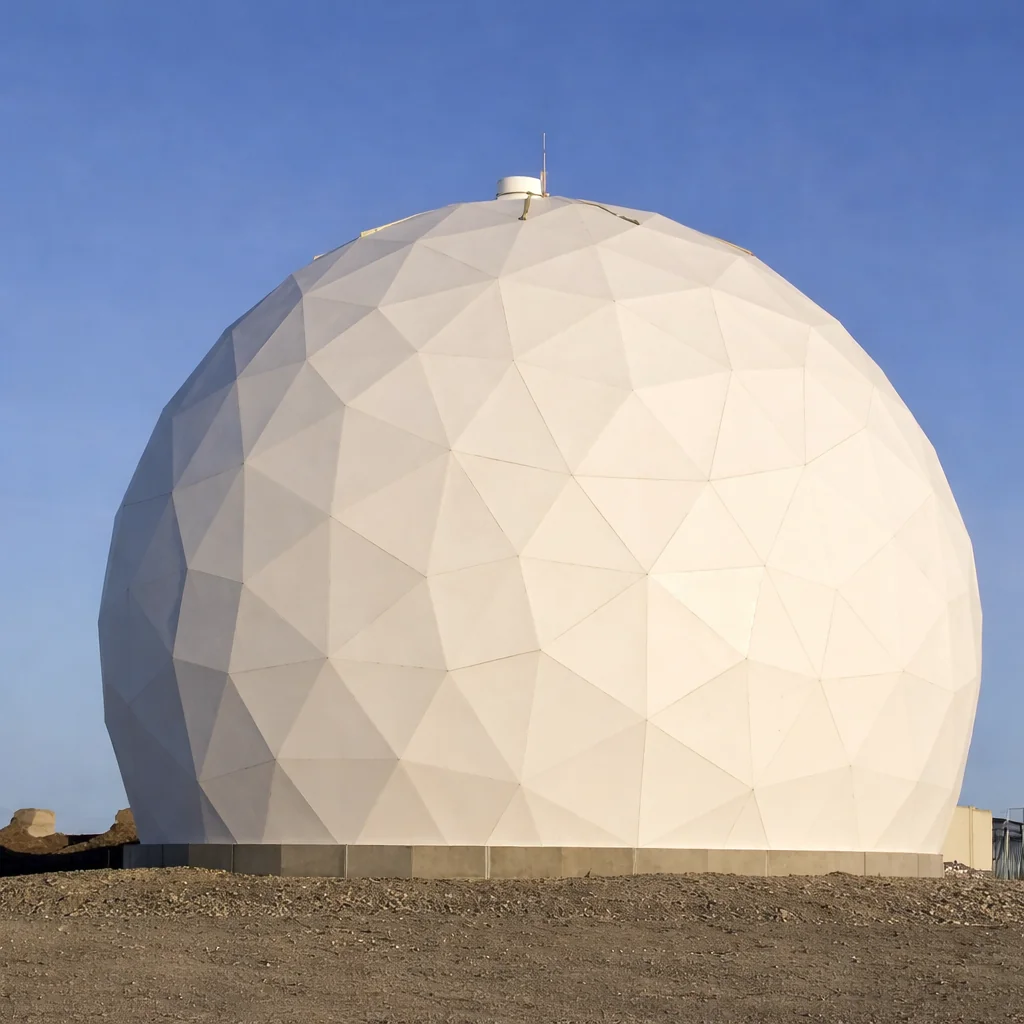
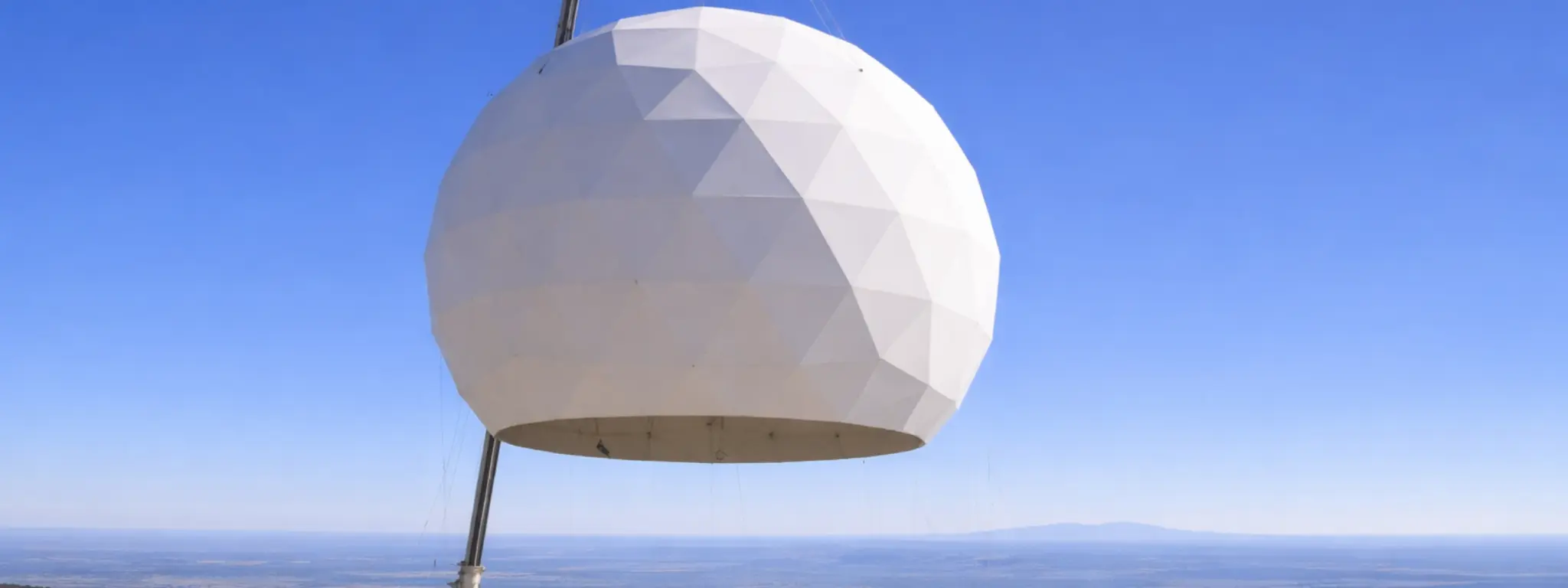
A radome is a weatherproof geodesic prefabricated building structure that protects radar and antenna systems from extreme weather conditions including wind, blowing sand, snow, ice, rain, ultra violet sunlight, temperature extremes, fungus and corrosion.
AFC's high technology all dielectric radome capability combines the expertise of materials science, geodesic domes, prefabricated building structures and electromagnetics. Each radome technology type behaves as an electrical filter constrained to support environmental and wind load requirements.
Advantages of Dielectric Space Frame Radomes
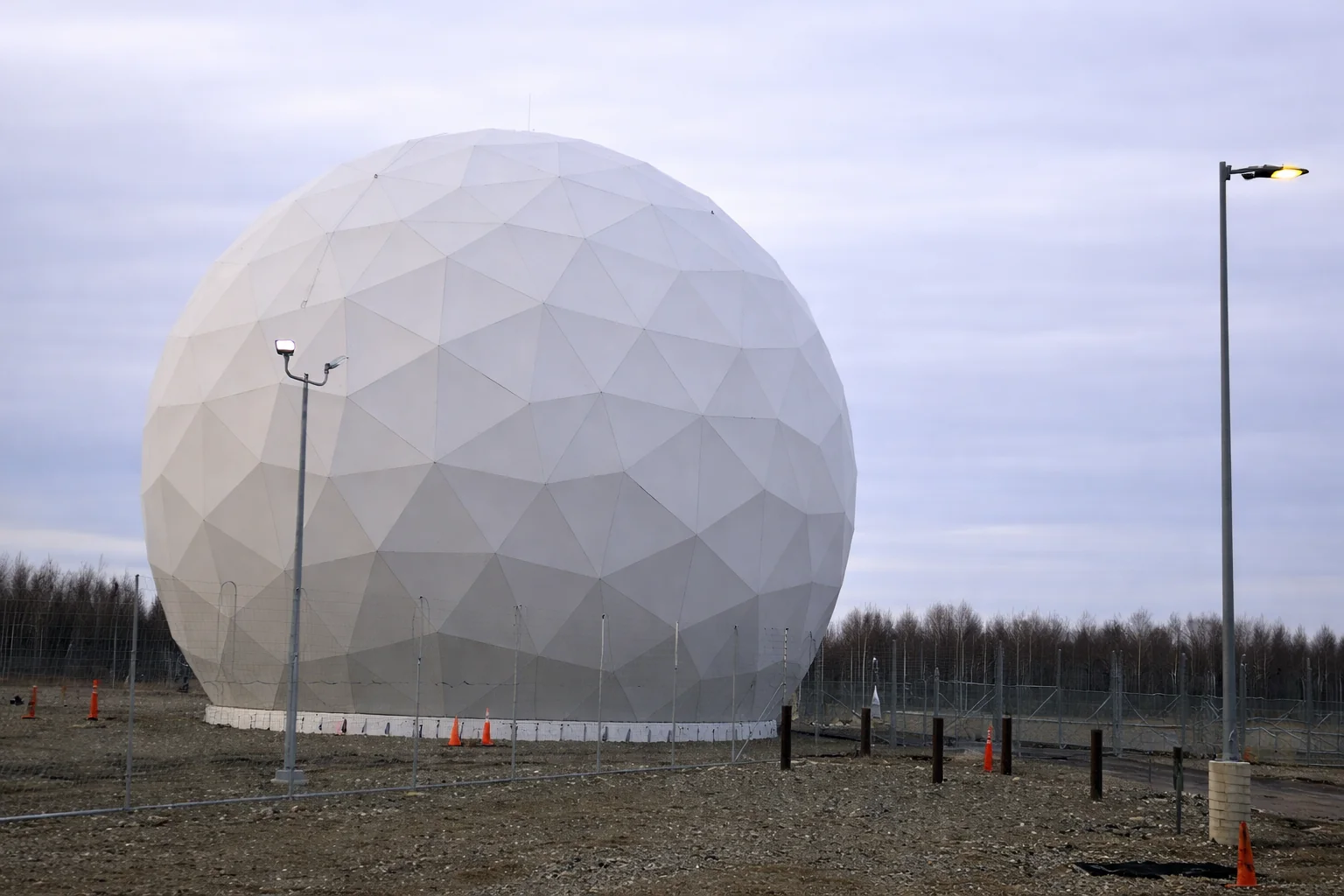
Dielectric Space Frame Radomes have distinct advantages over the Metal Space Frame and air-inflatable counterparts. The DSF radomes do not require any internal pressurization to maintain structural integrity. As a rigid structure, they do not have any operational downtime under high-wind conditions unlike inflatable radomes. AFC's DSF panels can be selectively removed from the assembly for antenna access and replaced without any special tools.
As part of the radome panel molding fabrication process, the dielectric panel edges are reinforced into flanges for adjacent panel assembly. When assembled, the panel array forms a truncated spherical radome surface. The dielectric panel flanges form a framework establishing the general terminology Dielectric Space Frame (DSF) for AFC's radome products.
Visit Radome.net →Five DSF Radome Technology Types
AFC manufactures five types of dielectric radomes: TM, SL, SFC, CLS, and THS. Recent technology innovations CLS and THS provide simultaneously high frequency, Ka-band, broadband and very high wind structural performance.
Thin membrane wall radome where adjacent panel flanges carry all the wind loads. Ideal for moderate wind environments requiring maximum RF transparency.
Solid laminate wall radome providing excellent structural integrity with consistent dielectric properties across the entire panel surface.
Composite 3-layer sandwich foam core wall radome. Core thickness is chosen for the highest RF signal frequency and thermal insulation.
Advanced technology providing simultaneously high frequency, Ka-band, broadband and very high wind structural performance.
Cutting-edge technology delivering Ka-band broadband performance with superior wind load resistance for extreme environments.
Advanced Engineering Capabilities
Invisibility of Radome Framework
Not commonly known to most engineers, radome transmission loss is composed of the insertion loss from the RF signal passing through the radome wall and from the scattering loss off the panel flange framework. In most cases, the scattering loss from the framework is several times greater than the wall insertion loss.
To reduce scattering loss, AFC engineers pioneered a technique known as impedance matching to "tune out" framework scattering loss. RF circuit elements are laminated into the dielectric flanges to impedance match scattering loss. The tuning inductively compensates for the dielectric susceptance offered by the flange framework, making the framework nearly invisible at the RF frequencies of interest. This offers a distinct advantage versus a Metal Space Frame radome that cannot be obviously tuned.
AFC uses analytical techniques such as MoM and FDTD as well as measurements using the in-house anechoic chamber facility to design and characterize a wide range of impedance tuning options that are PIM friendly if necessary, depending on the customer needs.
Visit Radome.net →Structural Design/Verification by Advanced FEA
The radome structural integrity shall be verified under various environmental loads such as high wind, heavy snow, and seismic loads. Finite Element Analysis (FEA) which is highly effective numerical analysis technique in structural engineering is used to validate structural strength of AFC radome.
AFC has developed highly accurate and efficient FEA modeling techniques that provide accurate representation of the radome structure. AFC defines radome structural safety by a General Buckling criterion based on the geometric deformation of the radome surface and flange framework, which defines a catastrophic failure.
Visit Radome.net →Stealth Technology
For dual polarimetric weather radar, Stealth introduces a unique technology where the radome exhibits identical performance independent of radar polarization and pointing direction. This ensures consistent signal integrity across all operational configurations.
Visit Radome.net →Radome Geometries
The six technology types are incorporated into multiple radome geometries including Spherical, Geodesic, Silo, and Stealth configurations. Each geometry is optimized for specific applications and environmental requirements while maintaining superior RF transparency.
Visit Radome.net →Super Hydrophobic Coating
AFC radomes are offered with Hydrolam-2000, a super-hydrophobic coating that offers exceptional water repellence on the radome surface exterior for minimal additive effects of rain induced transmission loss and to prevent water build up on the radome. AFC's Hydrolam-2000 meets MIL-STD-810F/G specifications for a range of environmental specifications and has been successfully applied for 100s of AFC radomes deployed worldwide.
Visit Radome.net →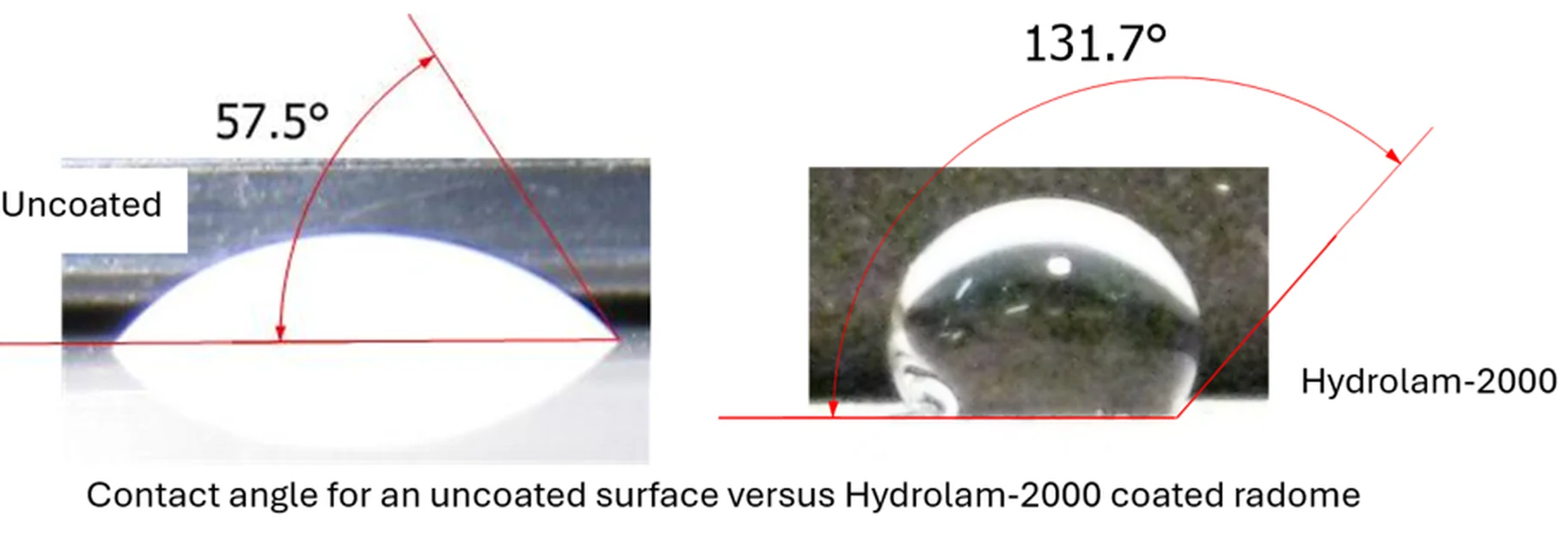
Global Applications
The superior performance and advantages of AFC's radome technology are evident in worldwide applications including Defense Satellite Communications System (DSCS, WGS, MET, GBS, MILSTAR, SBIRS), weather satellite and radar, air surveillance radar, NOAA NWS Doppler weather radar systems, NASA installations, and Satcom Communications applications.